
Application Security Posture Management: A CISO Guide (August 2026)
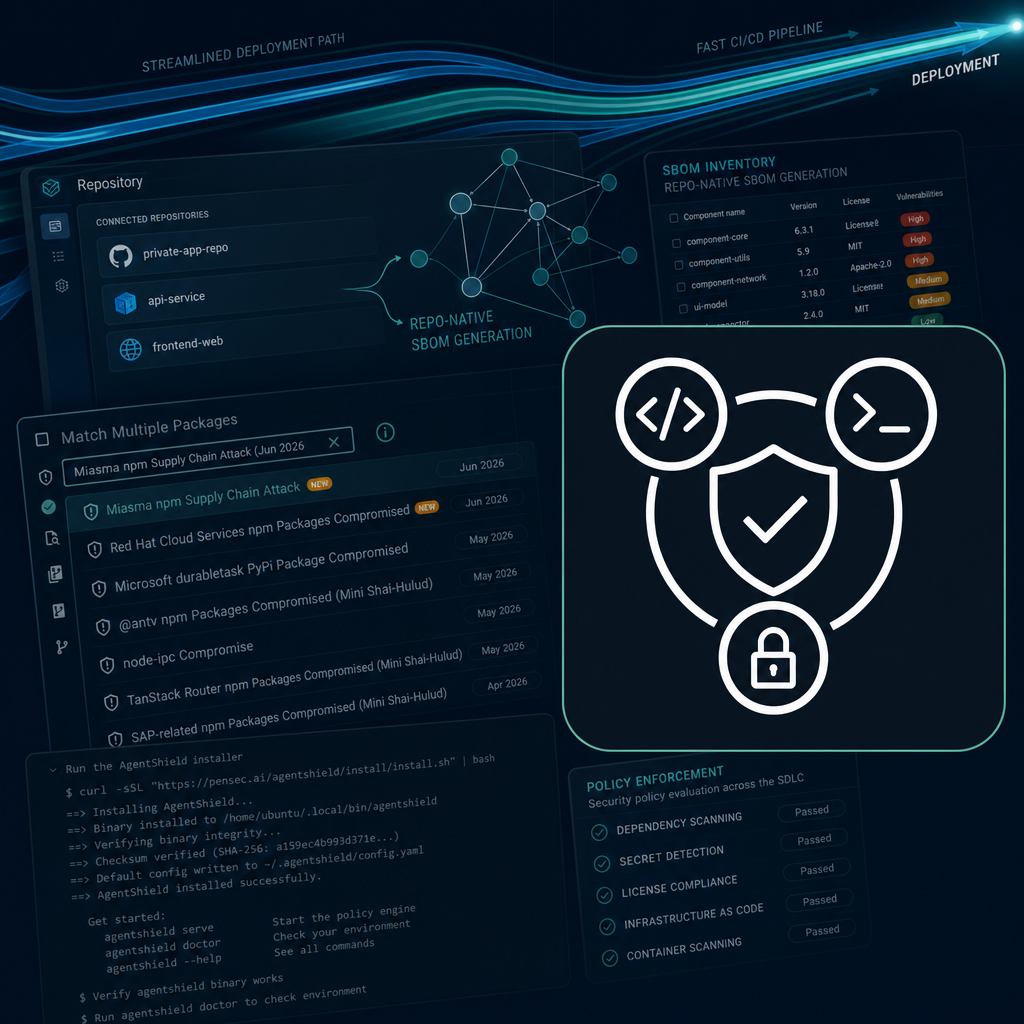

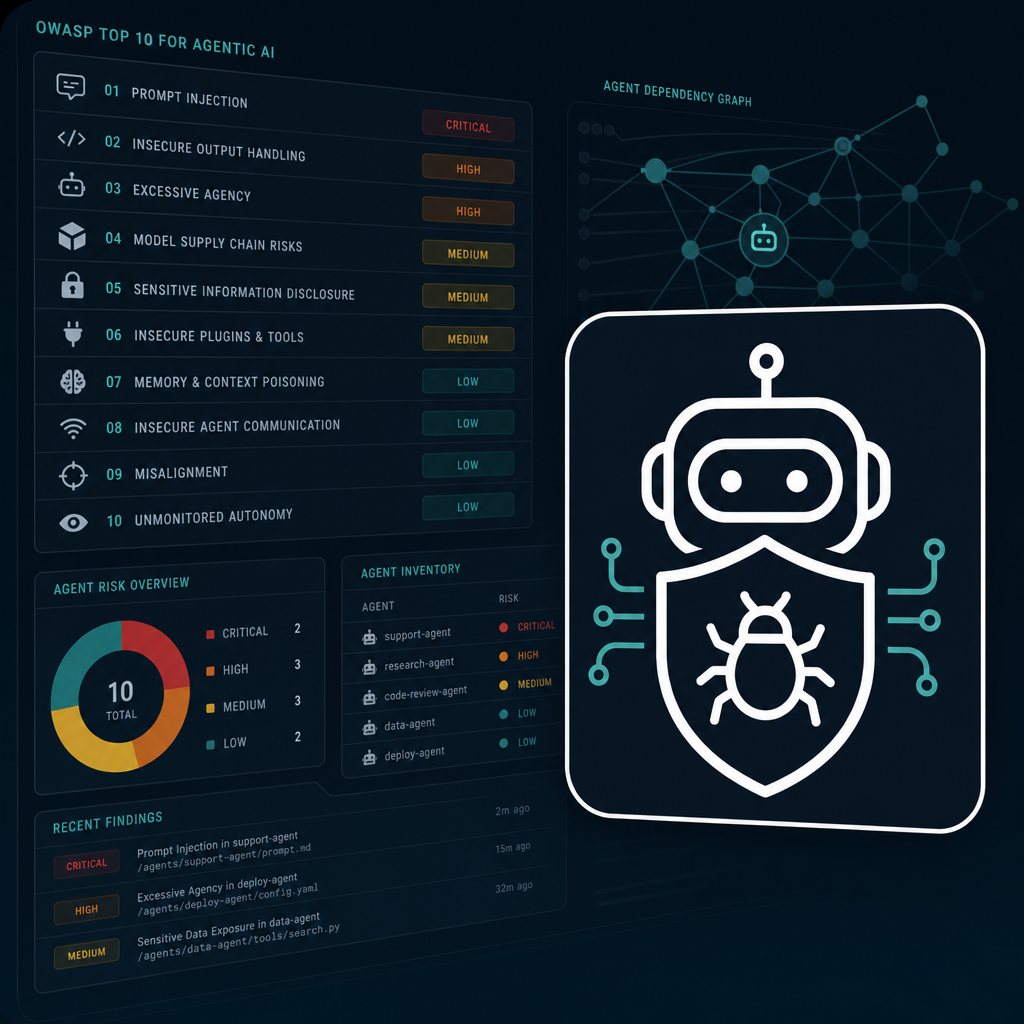

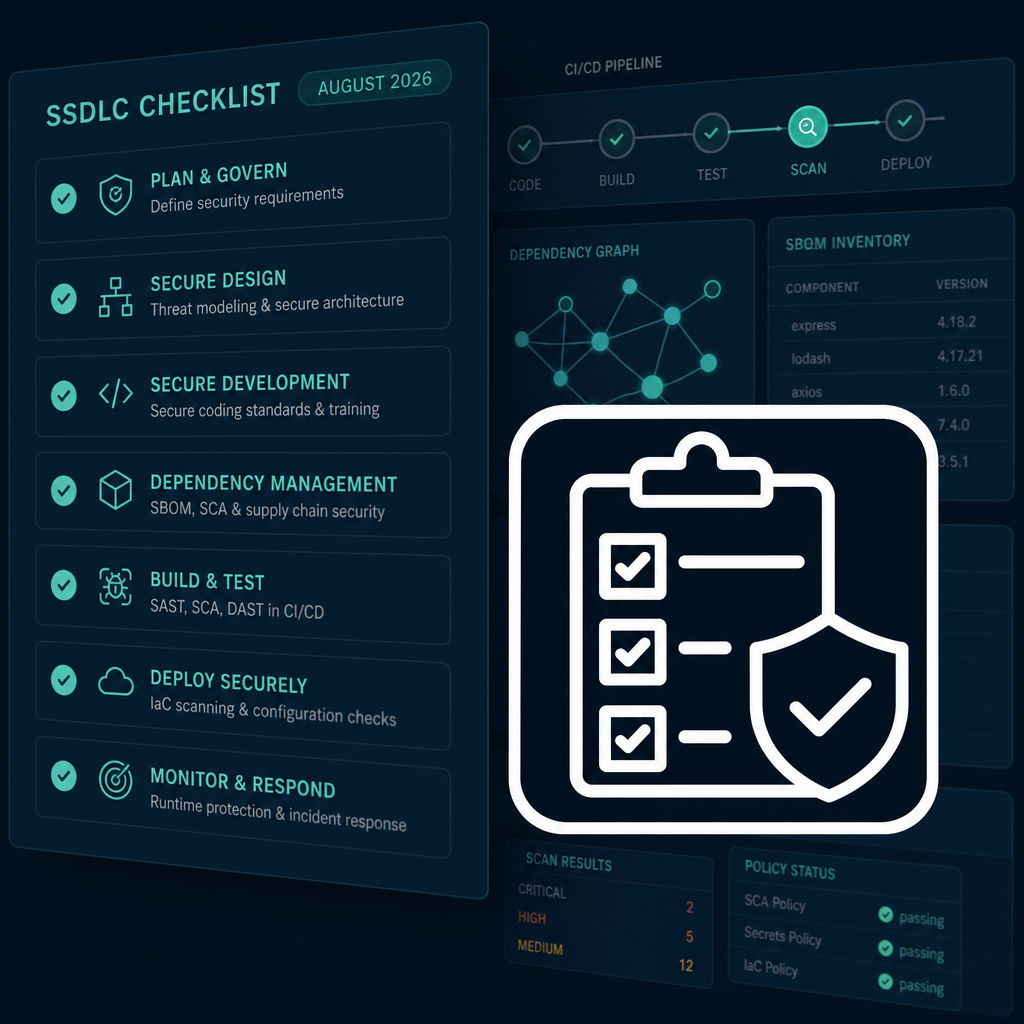
Most security teams aren't short on data. They're short on clarity. ASPM pulls your application security signals into one place and ranks what actually matters based on real context, so your team stops chasing noise and starts fixing the things that could genuinely hurt you.
TLDR:
- ASPM aggregates SAST, DAST, SCA, secrets, and IaC findings into one risk view so you stop triaging noise
- Gartner recognized ASPM as a distinct category in 2023, absorbing the older ASOC discipline into it
- Assess ASPM tools on SDLC coverage depth, signal quality, and integration with your existing stack
- ASPM differs from CSPM and CNAPP by focusing on pre-production code, pipelines, and dependencies
- Arnica takes a developer-native approach, routing findings with full code authorship and pipeline context to the engineers who can fix them
What Is ASPM in Cybersecurity?
Application Security Posture Management (ASPM) is a security discipline that gives organizations continuous visibility into risk across their entire software development lifecycle. Where traditional AppSec tools scan in isolation, ASPM aggregates findings from SAST, DAST, SCA, secrets detection, and IaC scanning into a unified risk view, then maps those findings against runtime context to separate real threats from noise.
The core premise is straightforward: security teams are drowning in alerts from disconnected tools, and ASPM exists to cut through that by providing a single, ranked picture of application risk.
Gartner formally recognized Application Security Posture Management as a distinct security category in 2023, publishing its ASPM tools market guide, which accelerated vendor investment and buyer interest across the space.
The Problem ASPM Was Built to Solve
Security teams today are buried. The average enterprise runs dozens of security tools, each generating its own alerts, its own findings, its own notion of what "risk" means. The AppSec tools ecosystem -- cloud security, and developer tooling -- rarely talks to itself. The result is a fragmented picture of risk that no single team fully owns.
ASPM was built to fix that. It aggregates findings across the software development lifecycle, weighs them against runtime context, and gives security leaders one place to see where real exposure lives.
Without it, you're triaging noise. With it, you're making decisions based on what actually matters.
How ASPM Works
ASPM works by continuously ingesting security signals from across the software development lifecycle, then combining them into a unified risk view. Here is how the core process works in practice:
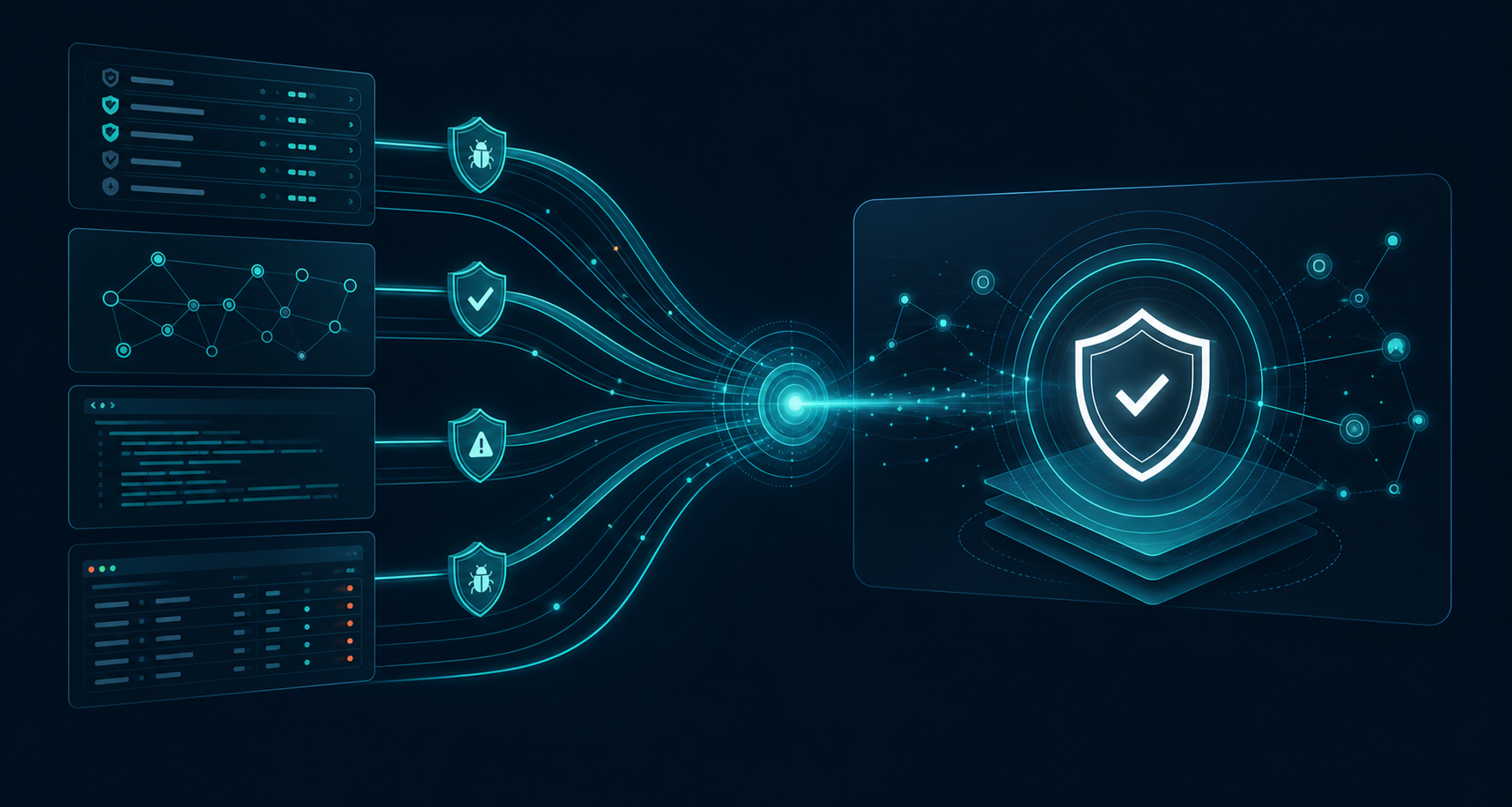
- Inventory and discovery: ASPM scans your repositories, pipelines, cloud environments, and third-party integrations to build a complete map of every application asset, dependency, and data flow.
- Signal aggregation: Findings from SAST, DAST, SCA, secrets detection, and IaC scanners feed into a central engine. Raw findings get deduplicated and normalized across tools.
- Risk correlation: Instead of treating each finding in isolation, ASPM cross-references context such as asset criticality, reachability, and business impact to rank what actually matters.
- Prioritization output: Security teams receive a ranked list of issues tied to real risk beyond raw severity scores, so engineers fix the right things first.
The result is a continuous feedback loop where new code changes, new vulnerabilities, and shifting cloud configurations all flow back into the risk model in near real time.
Core ASPM Capabilities
Asset inventory and risk correlation sit at the center of any functioning ASPM program. Without a reliable map of what you're building and running, every downstream security decision is guesswork.
Here's how mature ASPM capabilities break down:
Unified Asset Inventory
ASPM ingests signals from source code repositories, CI/CD pipelines, container registries, cloud environments, and runtime systems to build a single, continuously updated inventory of every application component. A developer merges a dependency update, and the inventory reflects that change before the next scan cycle runs.
Risk Correlation and Prioritization
Raw vulnerability counts are noise. ASPM cross-references findings across SAST, SCA, DAST, and secrets detection to calculate contextual risk scores, weighing exploitability, asset exposure, and business impact together.
Compliance Mapping
ASPM ties findings directly to control frameworks like SOC 2, PCI DSS, and NIST 800-53, so audit evidence is generated continuously instead of being assembled manually before a review.
Developer Feedback Loops
Security findings surface inside pull requests and issue trackers, not in a separate security console that engineers rarely open. This keeps fix rates high without requiring process overhauls.
ASPM vs. CSPM, CNAPP, and ASOC
Security teams routinely ask how ASPM fits alongside the other acronyms already on their roadmap. The categories overlap in places, but the differences matter for how you allocate budget and assign ownership.
| Category | Primary Focus | Where It Operates | Relationship to ASPM |
|---|---|---|---|
| ASPM | Application code, dependencies, pipelines, and secrets | Pre-production: source code, CI/CD, IaC, SCA, SAST, DAST, secrets detection | N/A |
| CSPM | Cloud infrastructure configurations | Cloud layer: S3 buckets, IAM roles, storage accounts, Kubernetes nodes | Complementary: CSPM catches misconfigured infra; ASPM catches the vulnerable code running on it |
| CNAPP | Runtime protection + CSPM + some application scanning | Runtime and cloud-native environments | Often used together: CNAPP covers runtime, ASPM covers the development lifecycle |
| ASOC | Scanner output aggregation and deduplication | Aggregation layer across existing scanners | Predecessor: Gartner folded ASOC into ASPM as ASPM added risk scoring, developer workflows, and policy enforcement |
ASPM vs. CSPM
Cloud Security Posture Management watches your cloud infrastructure configurations: misconfigured S3 buckets, overly permissive IAM roles, exposed storage accounts. ASPM watches your applications and the code, dependencies, and pipelines that produce them. A CSPM tool will tell you a Kubernetes node is misconfigured; ASPM tells you the container image running on that node was built from a dependency with a known CVE that your pipeline never caught.
ASPM vs. CNAPP
Cloud-Native Application Protection Platforms bundle runtime protection, CSPM, and some application scanning under one roof. ASPM goes deeper on the pre-production side: source code, secrets, SCA findings, and pipeline risk before anything ships. Many organizations run both, using CNAPP for runtime and ASPM for the development lifecycle.
ASPM vs. ASOC
Application Security Orchestration and Correlation was an earlier category focused on aggregating scanner output and deduplicating findings. ASPM tools that empower developers absorbed that function and extended it: where ASOC stopped at aggregation, ASPM adds risk scoring, developer workflow integration, and policy enforcement tied to business context. Gartner folded ASOC into ASPM as the latter category matured.
ASPM Use Cases for CISOs
CISOs face a recurring challenge: security data exists in abundance, but actionable clarity is scarce. Application security testing tools (SCA tools, SAST engines, and cloud configuration checkers) each produce findings in isolation, leaving security teams to manually piece together risk across dozens of sources.
ASPM consolidates that signal. Here are the use cases where it has the most impact:
- Unified risk visibility across the SDLC, so a single dashboard surfaces findings from code scanning, dependency analysis, secrets detection, and runtime controls without requiring manual aggregation.
- Risk-based prioritization that scores vulnerabilities by exploitability, asset criticality, and reachability, helping teams focus remediation where exposure is highest.
- Dev-first AppSec programs deliver security feedback earlier in the pipeline, reducing the cost and friction of fixing issues post-deployment.
- Continuous compliance reporting against frameworks like SOC 2, PCI DSS, and NIST 800-53, with evidence collection mapped directly to control requirements.
- Software supply chain oversight, giving security teams visibility into third-party dependencies, transitive risks, and the integrity of build pipelines.
AI and ASPM
AI is reshaping how ASPM tools collect, analyze, and act on security findings across the software development lifecycle.
Where earlier approaches relied on rule-based aggregation, AI-powered ASPM can now analyze vast volumes of scanner output, code context, and runtime behavior simultaneously. This lets security teams get ahead of risk instead of simply cataloging it.
There are a few areas where AI integration is making a real difference:
- Smarter prioritization: AI can weigh exploitability, reachability, asset sensitivity, and business context together, surfacing the findings that actually warrant immediate attention instead of generating noise.
- Automated triage: AI can auto-close false positives and group related issues without routing every finding to a human reviewer, cutting the manual overhead that burns out AppSec teams.
- Contextual remediation guidance: AI can suggest fixes tailored to the specific code and environment, supporting developer-centric security testing for DevSecOps instead of generic patches pulled from a knowledge base.
The result is an ASPM workflow that scales with engineering output, without requiring a proportional increase in security headcount.
How to Assess ASPM Tools
Three factors separate tools that hold up at scale from those that create new blind spots:
- Coverage across the full software development lifecycle, extending beyond CI/CD gates. A tool that only scans at build time will miss risks introduced at the IDE, repository, or pipeline configuration layer.
- Signal quality over raw finding volume. Teams drowning in alerts fix fewer real vulnerabilities. The right ASPM solutions for DevSecOps teams connect findings across scanners and surface what actually matters in your environment.
- Integration depth with your existing security stack. An application security posture management platform that can't share context with your SIEM, ticketing system, or cloud security tooling creates silos and leaves existing ones open.
Vet vendors against these criteria before weighing brand recognition or analyst placement.
How Arnica Approaches ASPM
Arnica takes a developer-native approach to ASPM, connecting security findings directly to the engineers who can act on them. Instead of routing every alert through a security team backlog, Arnica links risk signals across your code repositories, pipelines, secrets, dependencies, and IaC configurations to surface findings with full context: who wrote the code, which pipeline built it, and what it's connected to in production. Arnica is recognized in the IDC MarketScape for ASPM.
That context matters. A critical vulnerability in a library no production service actually calls is a different priority than the same CVE in a package ingested by your payment processor. Arnica makes that distinction automatically, so security and engineering teams spend time on what actually needs fixing.
Final Thoughts on Making ASPM Work for Your Team
Security tools without context just add noise, and noise is what slows teams down. ASPM changes that by connecting findings to the code, the pipeline, and the people behind them, so your team knows what to fix and why it matters. Sign up for Arnica to see how that context gets built automatically across your repositories, dependencies, and build pipelines.
FAQs
What is ASPM in cybersecurity, and how is it different from traditional AppSec tools?
ASPM (Application Security Posture Management) is a security discipline that aggregates findings from SAST, DAST, SCA, secrets detection, and IaC scanning into a unified risk view, then scores those findings by exploitability, asset criticality, and reachability. Traditional AppSec tools scan in isolation and hand off raw alerts; ASPM connects those signals so security teams see one ranked, consolidated picture of risk across the full software development lifecycle, instead of managing separate queues from disconnected scanners.
How does ASPM compare to CSPM and CNAPP for a security program that already has cloud coverage?
CSPM watches cloud infrastructure configurations, CNAPP bundles runtime protection with some application scanning, and ASPM goes deeper on the pre-production side: source code, dependencies, secrets, and pipeline risk before anything ships. Most mature programs run CNAPP for runtime and ASPM for the development lifecycle, since the two operate at different layers and cover different failure modes.
What should I look for when comparing ASPM vendors like Arnica, Apiiro, Cycode, or ArmorCode?
Three factors separate ASPM tools that hold up at scale from those that create new blind spots: coverage across the full software development lifecycle beyond CI/CD gates alone, signal quality that surfaces real risk over raw finding volume, and integration depth with your existing SIEM, ticketing, and cloud security stack. Vet each vendor against these criteria before weighting analyst placement, such as the Gartner Magic Quadrant for Application Security Testing or IDC MarketScape for ASPM, or brand recognition.
Can I build an ASPM program without adding more tools to an already crowded security stack?
Yes. The right ASPM approach connects through your existing SCM and ingests signals from scanners you already run, deduplicates and normalizes findings across them, and routes ranked, actionable output to developers inside pull requests and issue trackers they already use. Arnica, for example, connects through your SCM with no CI/CD pipeline dependency required, delivering 100% repository coverage from day one without adding pipeline instrumentation or separate developer-facing tooling.
How does AI change what ASPM tools can do for an AppSec team?
AI-powered ASPM moves beyond rule-based aggregation by weighing exploitability, reachability, asset sensitivity, and business context together to surface findings that warrant immediate attention. It also auto-closes false positives, groups related issues, and generates fix suggestions tailored to the specific code and environment, cutting the manual triage overhead that burns out AppSec teams without requiring proportional headcount growth.
Reduce Risk and Accelerate Velocity
Integrate Arnica ChatOps with your development workflow to eliminate risks before they ever reach production.